Blog

Can Knocked-Out Teeth Be Saved?

Many people do not know that tooth that has been knocked out, has a chance to be saved. As long as you act fast and know how to handle it, you may very well save your smile. When permanent teeth get knocked out, there is a right way to triage the situation. First, pick up the tooth by the crown,... read more »

Cleaning Your Tongue Is the Missing Step in Your Oral Care Routine

Brushing targets the teeth, and flossing targets the hard-to-reach areas between them. Doing both diligently reduces the risk of tooth decay and gum disease by removing the biofilm that collects on and around our teeth. Biofilm is a collection of bacteria, viruses and other debris, like food particles. Biofilm also settles on the tongue. Dental biofilm is made up of... read more »

Understanding Torus Mandibularis and Mandibular Tori

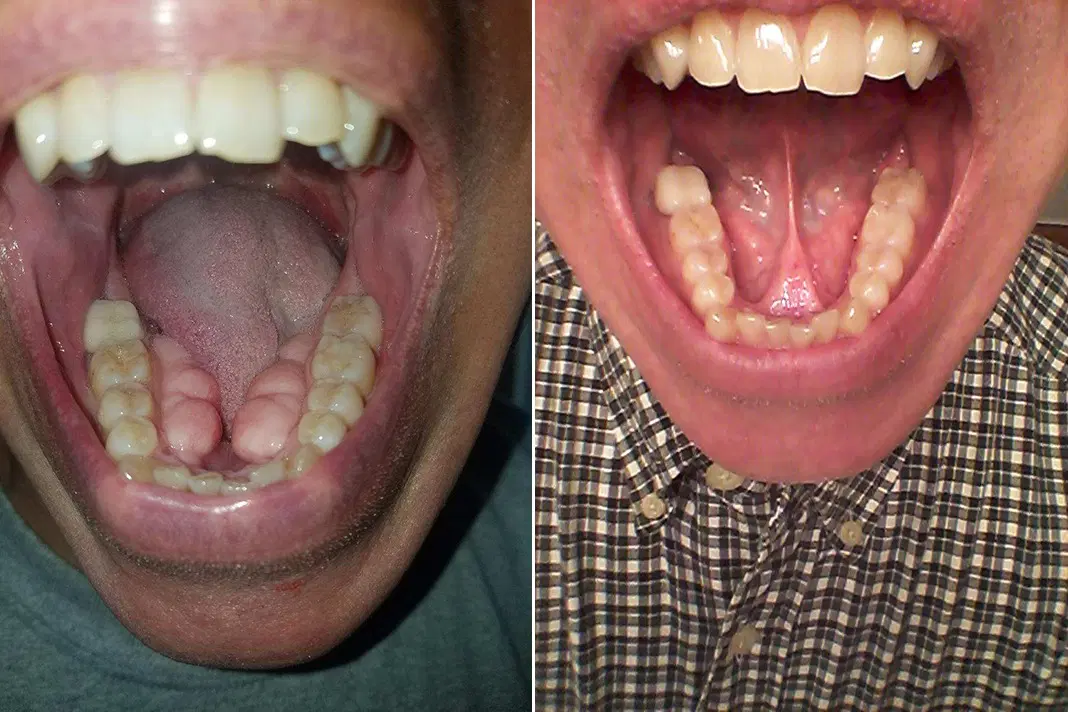
Understanding Torus Mandibularis and Mandibular Tori

Torus mandibularis refers to a bony growth on the floor of your mouth, under your tongue. These growths, also called dental tori, are harmless and typically don't cause pain. You can have mandibular tori on one side or both sides of your mouth. Torus mandibularis generally doesn't require treatment unless it interferes with chewing, speaking or other functions. Dental tori... read more »

Holistic Dental Care: How Parts Affect the Whole

Did you know your oral health affects your overall health — and vice versa? Your mouth isn't separate from your body. It's connected through your bloodstream and immune system. What happens in your mouth can impact the rest of you. Here's how: Gum disease allows harmful bacteria to enter the bloodstream and cause inflammation in the body. This inflammation has... read more »

National Children’s Dental Health Month: Building Healthy Smiles Early

A Brief History of National Children’s Dental Health Month Did you know that the month of February is National Children’s Dental Health Month? National Children’s Dental Health Month (NCDHM) started in Cleveland, Ohio, on February 3, 1941. What began as a one-day, one-time event evolved into a month-long celebration by 1981. It was once a fairly small and unrecognized initiative... read more »

Safe Imaging With Modern Technology

As of February 2024, lead aprons are no longer recommended for dental imaging according to the American Dental Association® (ADA) Council on Scientific Affairs. This comes from studies conducted by the Food and Drug Administration and the American Academy of Oral and Maxillofacial Radiology pertaining to cone-beam computed tomography (CBT) and its effects. The technology of modern dental X-rays already... read more »

The Perils of Missing Teeth

There are many people who do not think twice about having a gap in their smile, especially if that gap is in an area they cannot see. This should never become the norm because missing teeth can cause more than a cosmetic gap. Over time, the teeth surrounding the gap will begin to shift to fill the gap. If the... read more »

The Scary Truth About Gum Disease — And How to Prevent It

What Is Gum Disease? Gum disease (also called periodontal disease) refers to a group of inflammatory disorders that affect the gums and structures that support the teeth. It starts with gingivitis, a mild, reversible inflammation of the gums, and, if not treated properly, can progress into periodontitis, a serious condition that can destroy gum tissue, the bone under the gums,... read more »

How to Protect Your Teeth During Fall Sports: Mouthguards & More

Why Fall Sports Pose Risks to Your Oral Health As the temperatures drop and leaves change color, many athletes gear up for fall sports—football, soccer, field hockey, cross country, even skateboarding and biking. While these activities bring excitement, fitness, and camaraderie, they also increase the risk of dental injuries. Collisions, falls, and direct blows to the face can lead to... read more »

Safe & Precise Imaging with Dental X-Rays

Many people put off X-rays at the dentist office because they are afraid of the radiation, but the truth is there is less radiation in a modern X-rays than there in in a number of everyday items and activities. For example, eating a banana will expose you to natural radiation through a vitamin called potassium. Eating a few bananas will... read more »